
CAM-OPERATED AUTOMATIC SCREW MACHINING
Custom Automatic Screw Machine Parts for Repeat Production
Cam-Operated Turning for Stable, Repeat-Release Programs
FIWOK provides build-to-print automatic screw machining for selected repeat-production programs using continuous bar stock. Part geometry, material, drawing stability, quantity, secondary operations, inspection requirements, and requested documentation can be reviewed as part of quotation and project planning.
Is Automatic Screw Machining Suitable for Your Part?
Automatic screw machining may be considered for repeat-production parts with stable drawings and bar-stock-compatible geometry. Process selection depends on the part design, material, feature requirements, quantity, tooling approach, inspection requirements, and requested documentation.
| Decision Factor | Automatic Screw Machining May Be Considered | CNC Turning May Be Considered |
|---|---|---|
| Quantity Requirements | Repeat or scheduled demand where material form, setup, and release requirements can be evaluated for an automatic screw machining process. | Prototype, pilot, lower-quantity, irregular, or frequently changing demand. |
| Part Geometry | Rotational components compatible with continuous bar stock and the available cam-operated machine configuration. | Parts with complex milled features, non-rotational geometry, or features that require CNC programming flexibility. |
| Drawing Status | Current drawings with stable material, dimension, feature, and release requirements. | Early-stage designs, development parts, or drawings expected to change frequently. |
| Manufacturing Planning | Projects where tooling, setup, material sourcing, secondary operations, and repeat-release requirements can be planned around a defined part program. | Projects requiring frequent process changes, lower initial setup commitment, or broader feature flexibility. |
| Inspection Requirements | Drawing-defined critical dimensions, inspection requirements, requested documentation, and repeat-production expectations. | Incomplete drawings, undefined tolerances, changing inspection requirements, or unconfirmed documentation needs. |
Materials for Automatic Screw Machine Parts
Material selection can affect machining approach, chip control, tooling, finish requirements, and part performance. Material grade, form, quantity, tolerances, finishing, documentation, and drawing-defined requirements can be reviewed as part of quotation and project planning.
Common Material
Brass
Brass may be considered for fittings, inserts, connectors, bushings, and other turned components with specified material and feature requirements.
Material Review
Free-Cutting Steel
Free-cutting steel may be considered for shafts, pins, spacers, fastener-type parts, and other rotational components, subject to the specified grade, finish, and performance requirements.
Electrical Applications
Copper Alloys
Copper alloys may be evaluated for terminals, contacts, connector hardware, and other components with drawing-defined electrical or material requirements.
Additional Materials
Aluminum & Stainless Steel
Aluminum and stainless steel can be reviewed according to specified corrosion resistance, weight, dimensions, surface finish, secondary operations, and project requirements.
Include the drawing, material specification, quantity, finish requirements, and critical features in your RFQ for project review.
Turned Components for Assembly Applications
Custom turned components may be used in electrical, sheet metal, and molded-plastic assemblies for spacing, fastening, retention, conductivity, and other drawing-defined functions. Material, dimensions, threads, knurling, finish, quantity, and inspection requirements can be reviewed by project.
Assembly Features
Spacing, Fastening, and Alignment
Standoffs, spacers, bushings, and clinch-style components may be used for clearance, alignment, threaded mounting, and other assembly requirements.
Retention and Electrical Use
Inserts, Studs, Pins, and Terminals
Knurled inserts, molded-in studs, connector pins, and brass or copper components may be specified for retention, mounting, conductivity, or other functional requirements.
Repeat Requirements
Components for Repeat Programs
Bar-stock turned components may be evaluated for repeat programs with stable drawings, specified quantities, and confirmed material, inspection, finishing, and documentation requirements.
Typical Turned Components
Example part types for repeat OEM programs, including standoffs, inserts, studs, and spacers.
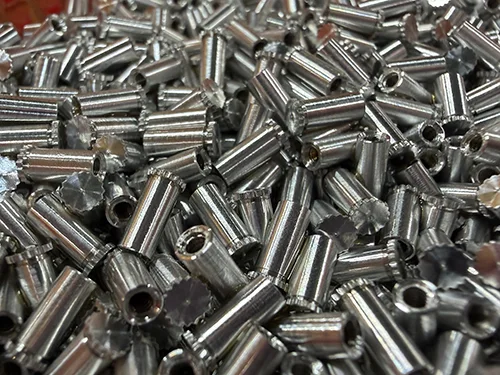
Round Through-Hole Clinch Standoff (SO/SOS)
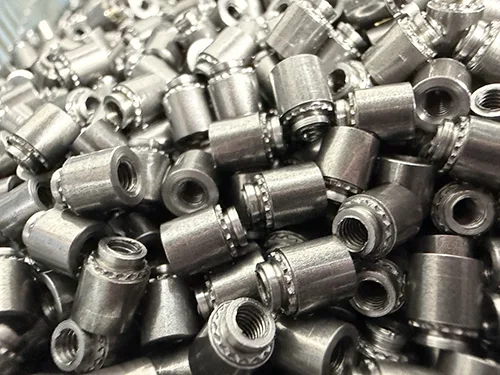
Sealed Blind Clinch Standoff (BSS)
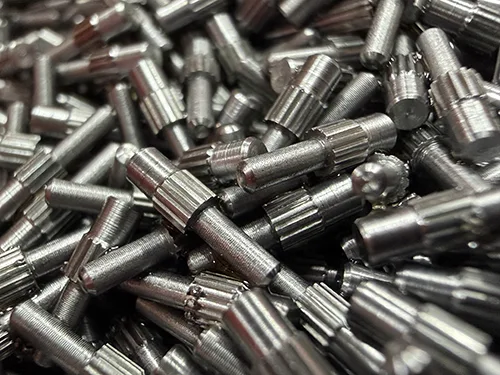
Knurled Molded-In Threaded Stud
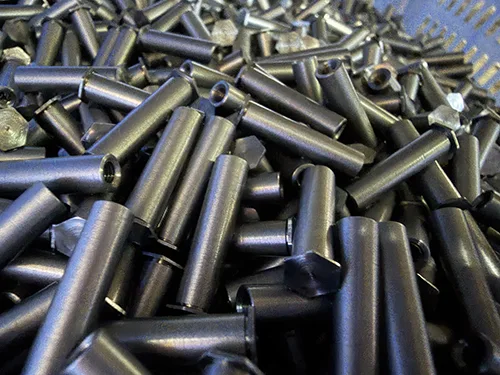
Hex Blind Clinch Standoff (BSO/BSOS)
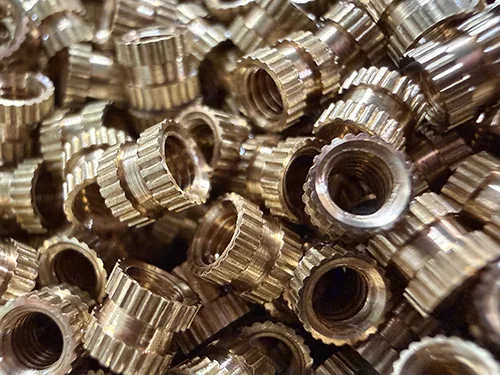
Brass Knurled Insert Nut
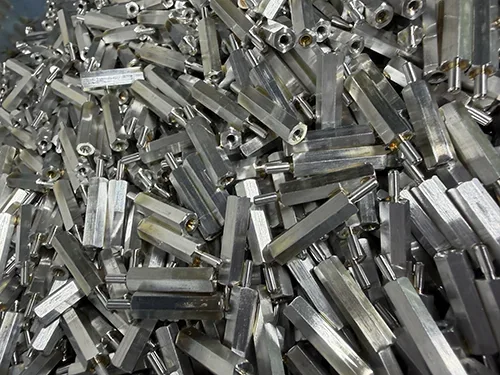
Hex Male-Female Standoff Spacer
Quality Review for Repeat Production Programs
Inspection, documentation, and measurement requirements can be reviewed for build-to-print repeat-production programs according to drawing-defined features, material requirements, quantity, requested records, and the confirmed project scope.
Drawing and Requirement Review
Current drawing revision, material grade, critical dimensions, requested documentation, and identified inspection requirements can be included for project review.
First-Part Requirements
First-part checks, setup verification, or sample approval may be included when specified for a new part, drawing revision, or repeat-production requirement.
In-Process Feature Checks
Specified dimensions, threads, runout, concentricity, and other drawing-defined features may be checked during production according to the agreed inspection approach.
Final Verification and Records
Final inspection, sampling, material records, measurement reports, and other requested documentation may be included when specified in the RFQ and confirmed for the project.
Secondary Operations and Finishing Requirements
Secondary machining, cleaning, and surface treatment requirements can be included in the RFQ or drawing. Applicable processes are reviewed according to part geometry, material, finish specification, quantity, inspection requirements, and confirmed project scope.
Secondary Machining
Tapping, slotting, knurling, cross-hole drilling, and other drawing-defined secondary features may be reviewed.
Deburring & Cleaning
Deburring, washing, degreasing, and cleaning requirements may be specified according to the part drawing and project requirements.
Surface Treatment
Anodizing, passivation, plating, marking, and other specified finishes may be included when defined in the RFQ or drawing.
Production Environment and Process Overview
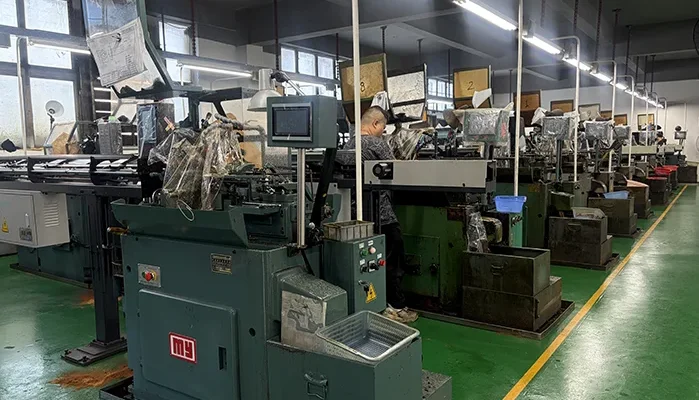
This view shows an automatic screw machining production environment. It provides an overview of machine layout, bar-stock processing, and the production setting used for repeat-part programs.
Frequently Asked Questions
What types of parts may be considered for automatic screw machining?
Automatic screw machining may be considered for small to medium rotational components made from continuous bar stock with stable, repeat geometry. Examples may include fittings, shafts, pins, bushings, spacers, and selected fastener-type parts.
Can tight tolerance requirements be reviewed?
Specified critical dimensions can be reviewed according to part geometry, material, tooling arrangement, machine configuration, measurement method, and inspection requirements.
Can repeat-release requirements be included in an RFQ?
Repeat-release quantities, forecast demand, drawing revision status, requested documentation, and packing requirements can be included for quotation and project-planning review.
When may cam-operated machining be compared with CNC turning?
Process selection may depend on part geometry, material, feature complexity, drawing stability, quantity requirements, setup considerations, and requested secondary operations.
How are inspection requirements considered during repeat production?
Drawing-defined dimensions, threads, runout, concentricity, surface requirements, sampling, reporting, and requested records can be included in the inspection scope for review.
What information should be included in an automatic screw machining RFQ?
Include the current drawing, material grade, required quantity, expected future demand if known, finish requirements, critical features, inspection needs, packaging, and requested documentation.
Send Your Drawing for Review
Include the drawing, material grade, quantity, finish requirements, critical features, and requested documentation for automatic screw machining project review.