
Custom Sheet Metal Fabrication for OEM Programs
FIWOK manufactures build-to-print sheet metal parts, enclosures, brackets, and welded assemblies for OEM programs—from prototype validation through repeat production.
Send your drawings for a manufacturing review covering material, cutting, forming, welding, hardware, finishing, inspection, and export packaging requirements.
Core Sheet Metal Fabrication Capabilities
Our sheet metal fabrication capabilities can be selected and combined according to part geometry, material, quantity, joining requirements, surface finish, and confirmed project scope.
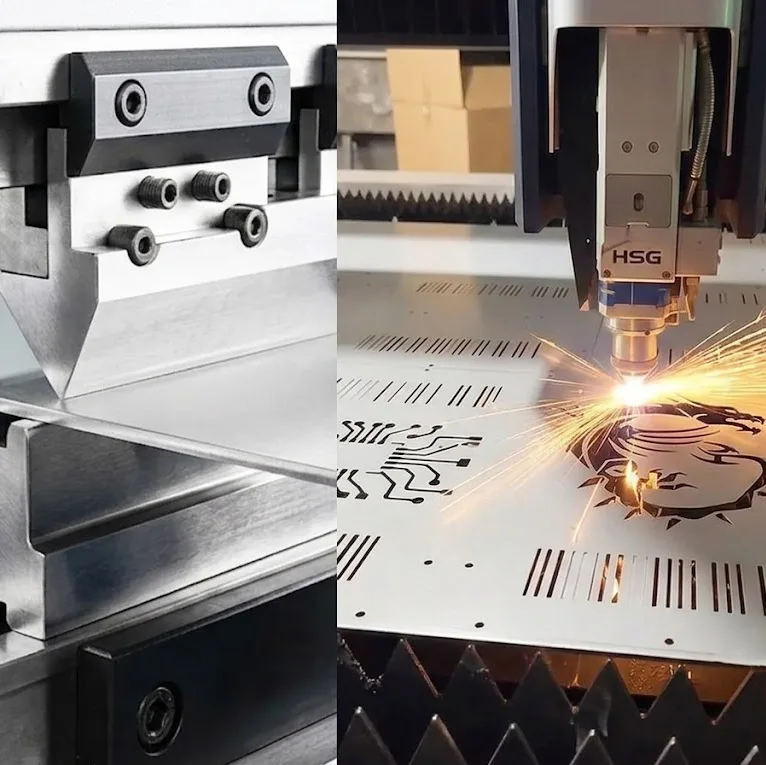
Laser Cutting and CNC Bending
Suitable for custom parts with cut profiles, formed features, and changing design requirements. Process selection depends on material, thickness, geometry, and quantity.
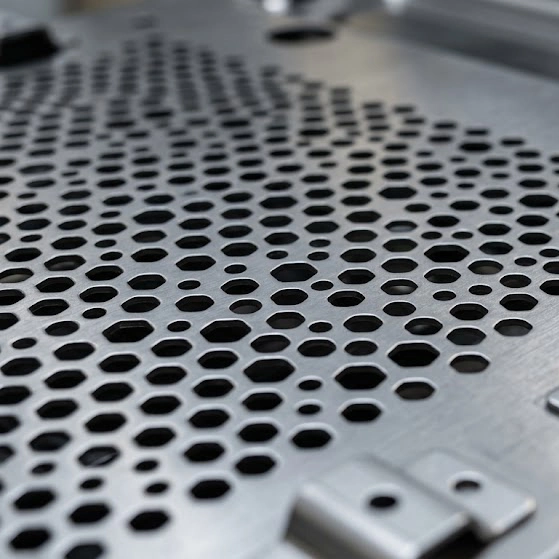
CNC Punching and Stamping
Suitable for panels, brackets, perforated parts, and repeat-production components. The appropriate method depends on feature requirements, expected volume, and tooling suitability.
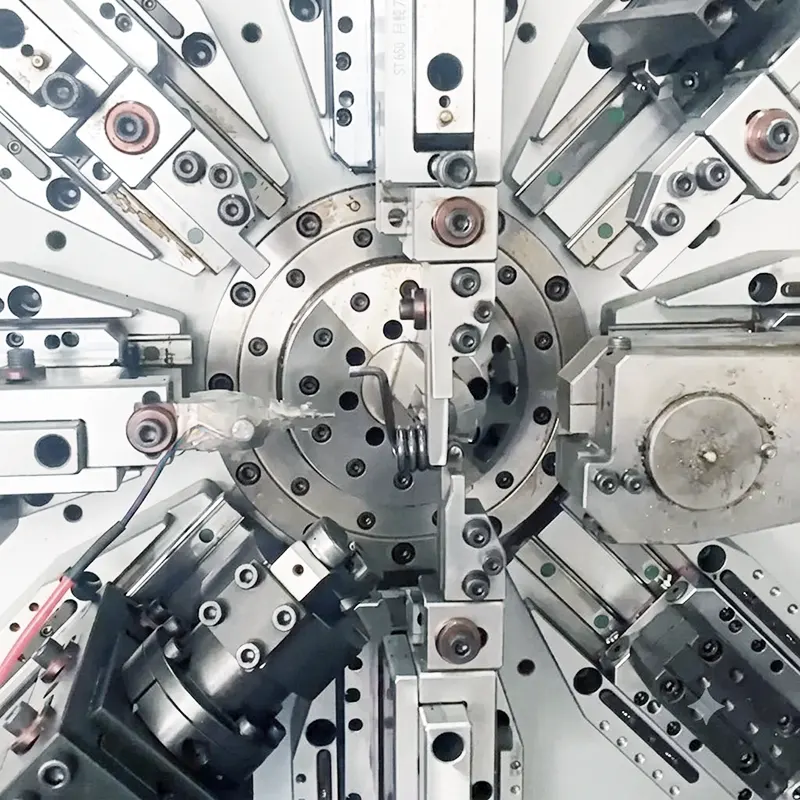
Wire Forms and Support Components
Suitable for clips, retainers, guards, and related wire components used with sheet metal assemblies. Requirements are reviewed based on drawings, materials, quantities, and fit.
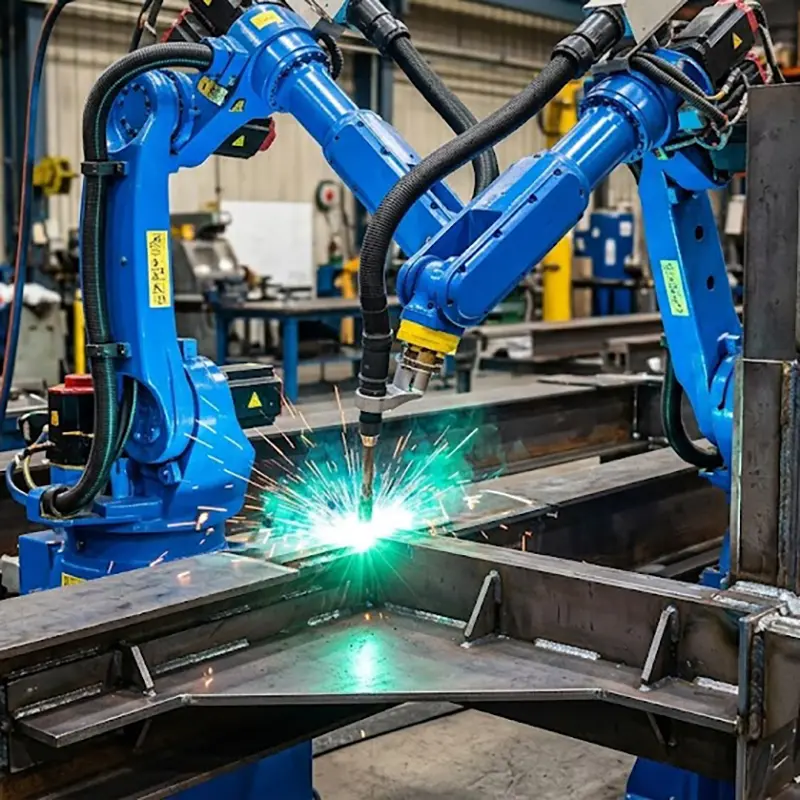
Welding and Structural Joining
Suitable for assemblies requiring structural joints, reinforcement, or specified weld features. Process selection depends on material, joint design, appearance, and distortion considerations.
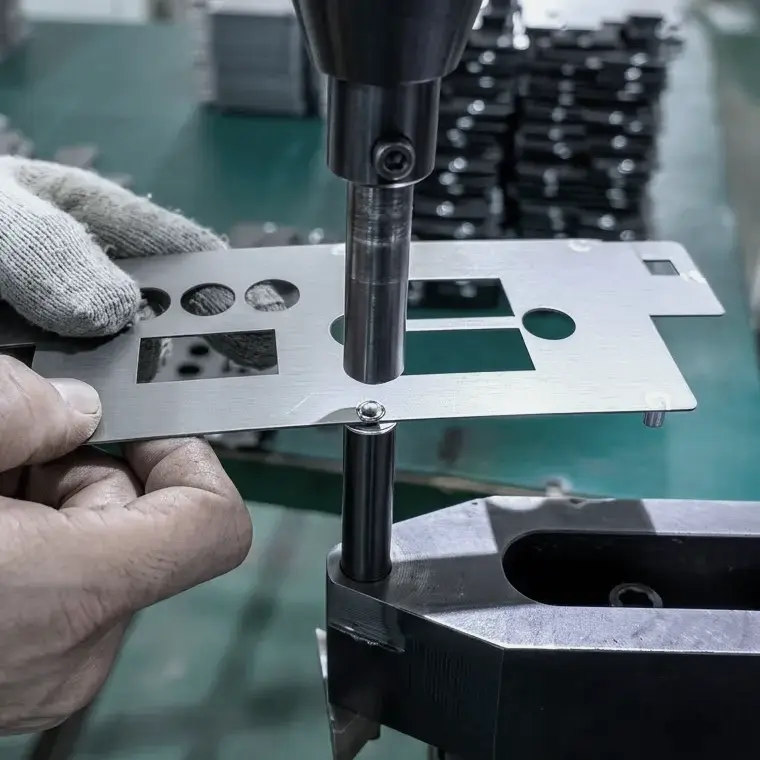
Hardware Insertion
Suitable for specified self-clinching nuts, studs, standoffs, and related fasteners. Hardware selection depends on sheet material, thickness, installation sequence, and assembly requirements.
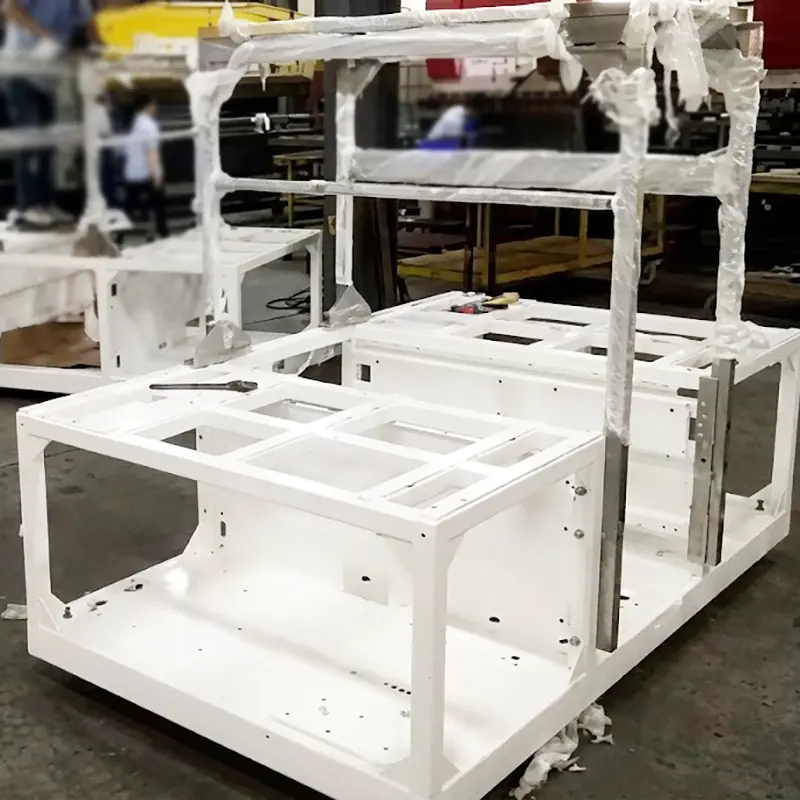
Finishing and Final Assembly
Surface finishing, labeling, mechanical assembly, and packaging can be coordinated when included in the project scope. Requirements depend on function, appearance, handling, and shipment needs.
Sheet Metal Production Options for Different Batch Sizes
Laser cutting, CNC bending, punching, joining, finishing, and assembly options can be selected according to part geometry, material, finish requirements, quantity, and confirmed project scope.
Cutting and Blank Preparation
Cutting options can be selected according to material, thickness, part geometry, feature requirements, and quantity.
- Laser cutting
- CNC punching
- Deburring and edge cleanup
Forming and Joining
Forming and joining operations can be planned around bend geometry, joint design, hardware, and assembly requirements.
- CNC bending
- MIG and TIG welding
- Hardware insertion
Finishing and Assembly
Finishing and assembly options can be reviewed based on appearance, function, handling, and packaging requirements.
- Surface finishing
- Mechanical assembly
- Part labeling and protection
What We Fabricate
We fabricate custom sheet metal components and assemblies based on customer drawings, material requirements, quantities, and confirmed project scope.
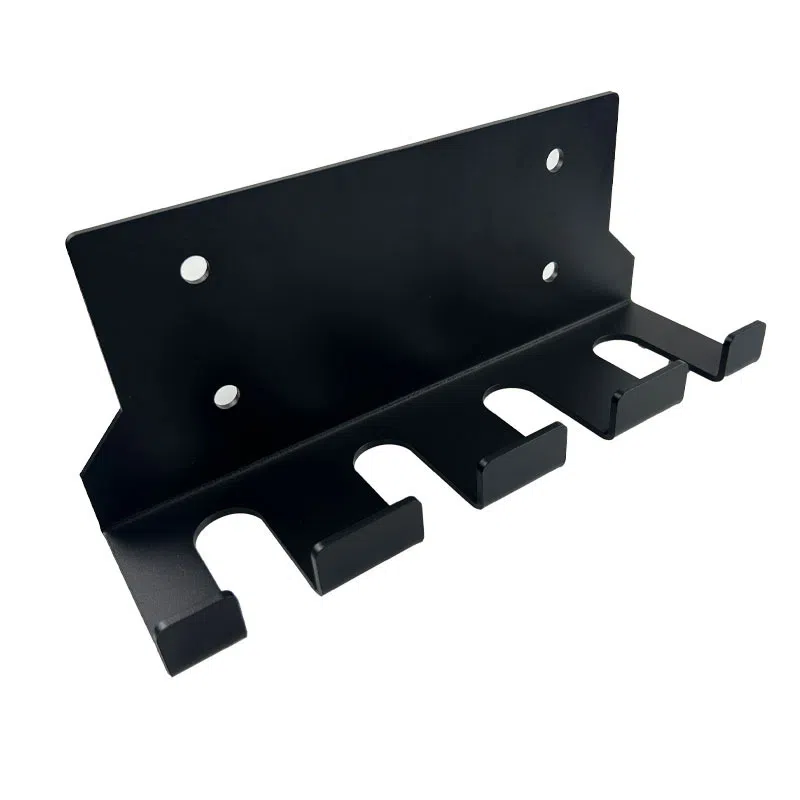
Brackets and Mounts
Custom support, fastening, and equipment-interface components.
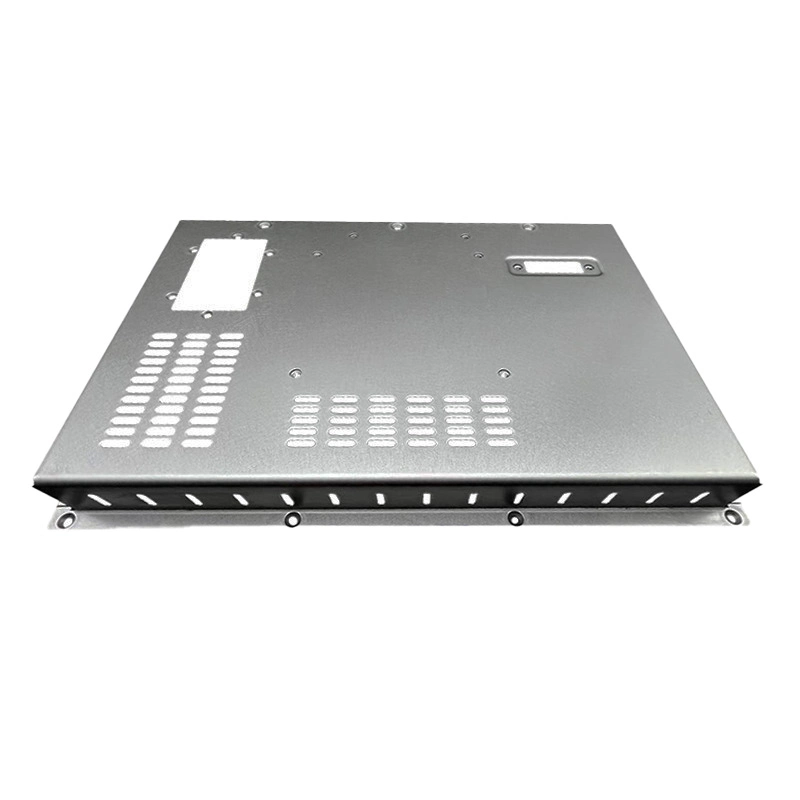
Panels and Covers
Flat or formed panels for enclosures, access areas, and equipment protection.
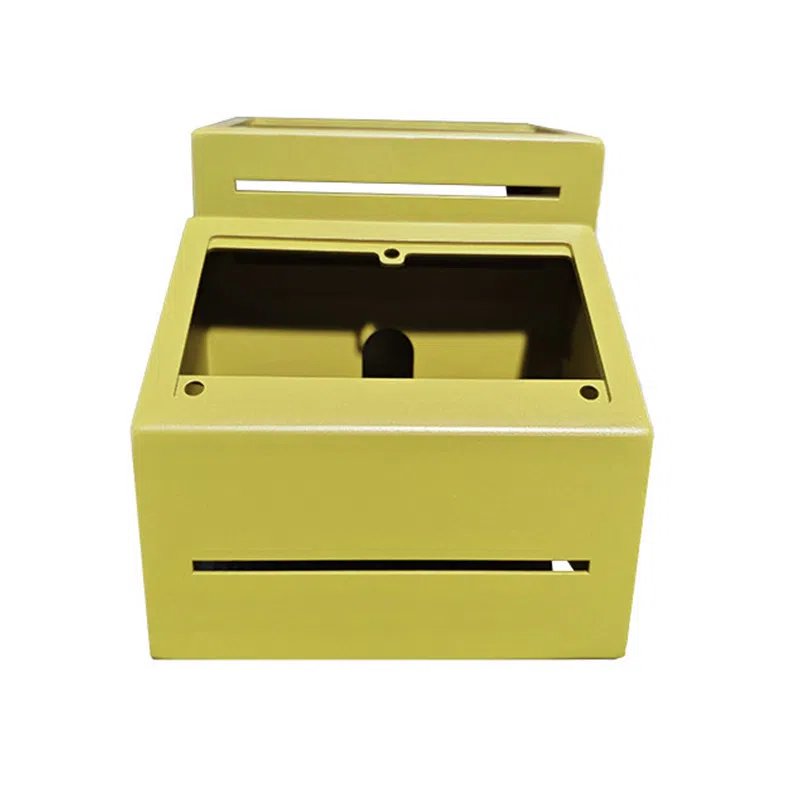
Enclosures and Housings
Fabricated enclosures, cabinets, boxes, and equipment housings.
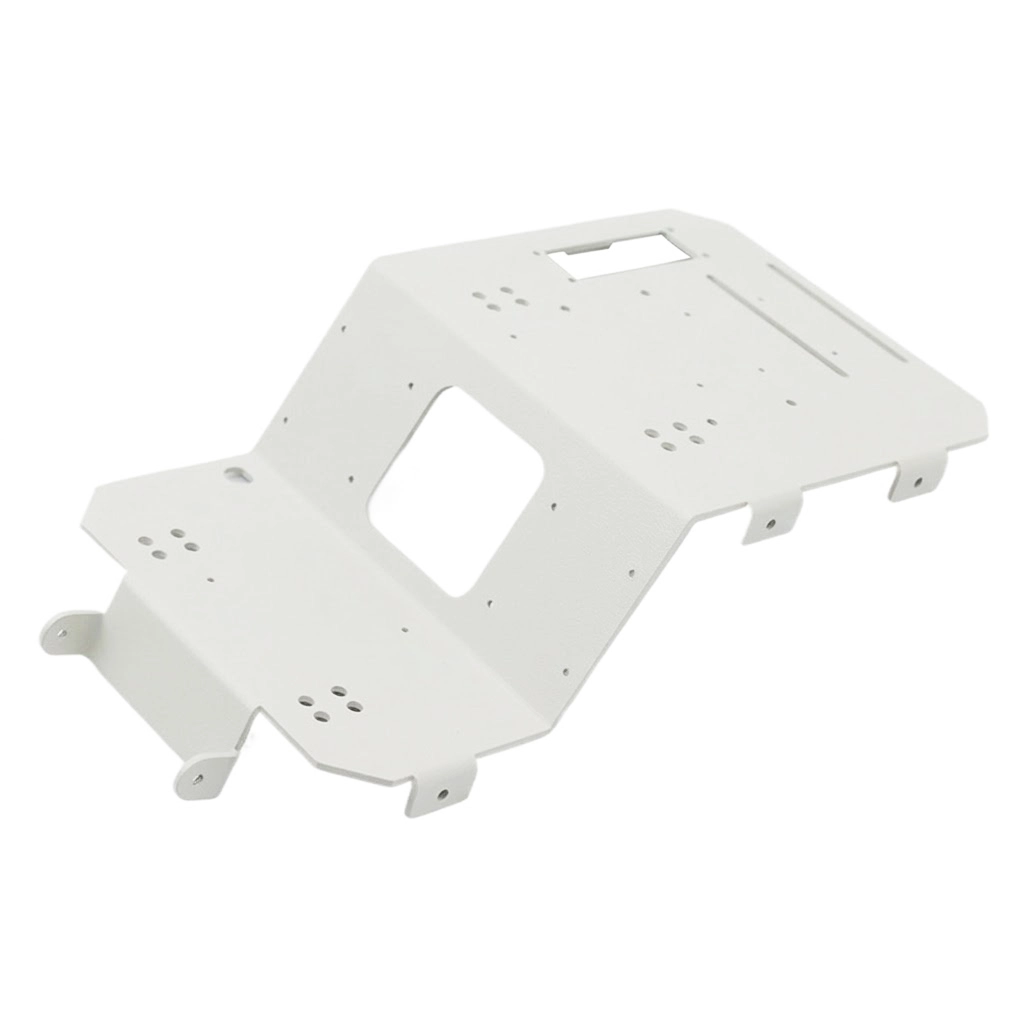
Frames and Supports
Fabricated structures for mounting, support, and equipment integration.
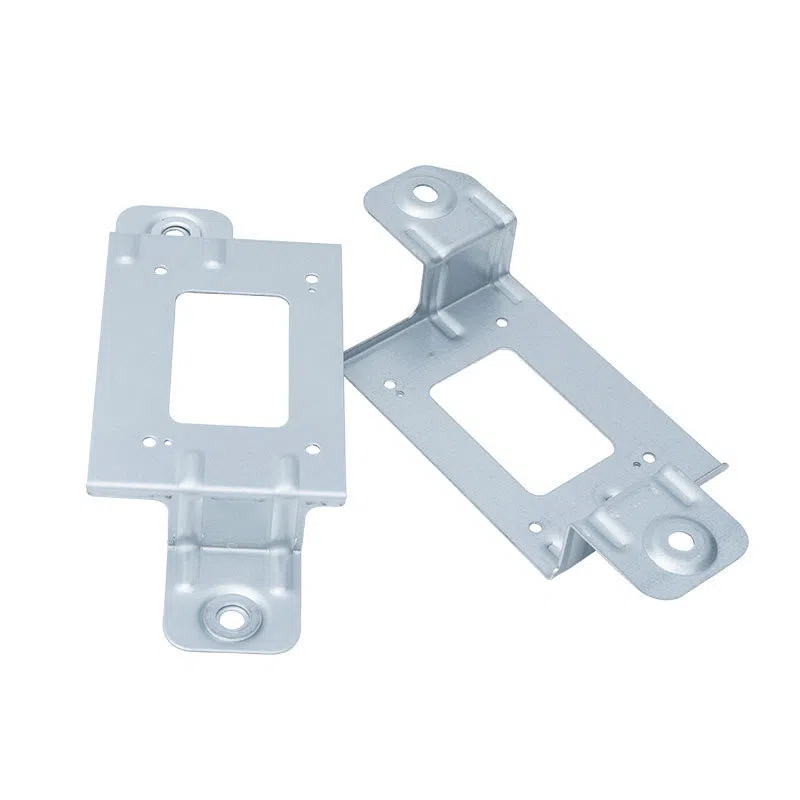
Metal Stampings
Stamped brackets and formed components for repeat-production projects.
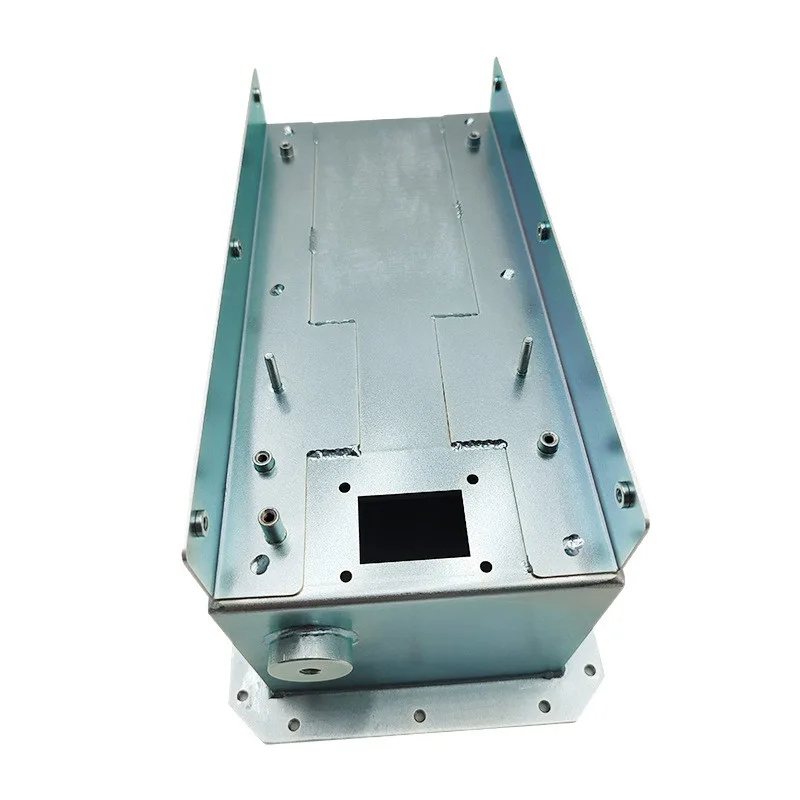
Welded Assemblies
Formed components joined into specified fabricated assemblies.
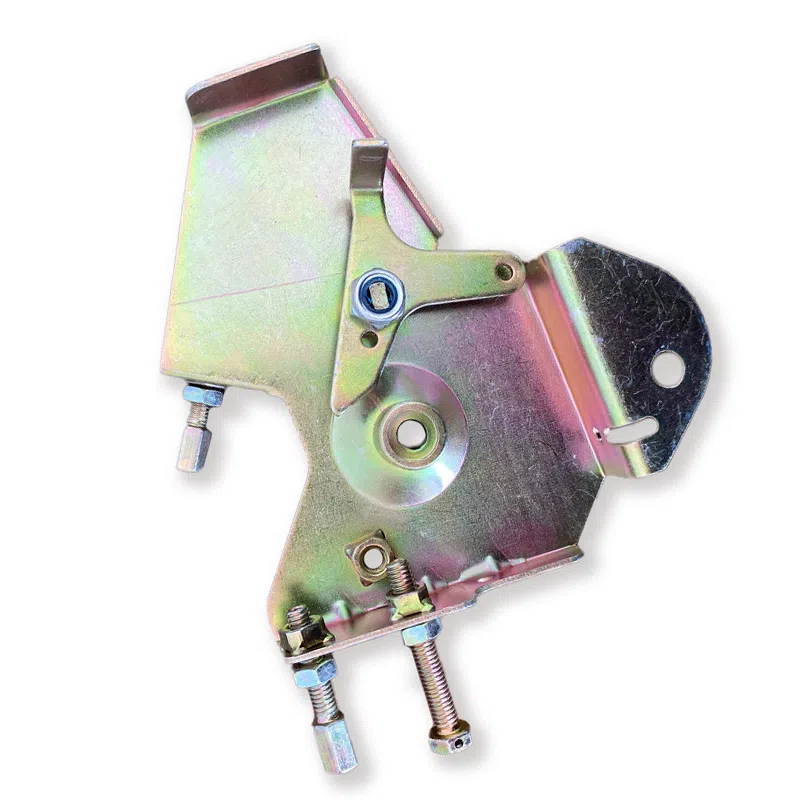
Hardware-Installed Parts
Sheet metal parts with specified nuts, studs, standoffs, or fasteners.
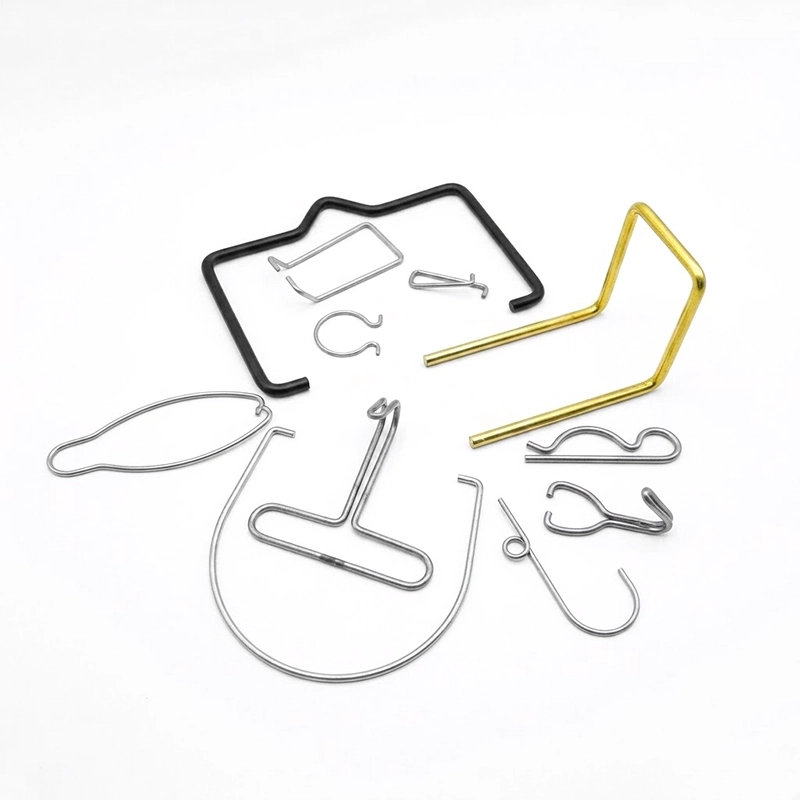
Wire Forms and Clips
Custom wire clips, retainers, hooks, guards, and support components.
Material Options for Sheet Metal Parts
Material options can be reviewed according to strength, corrosion resistance, weight, appearance, forming needs, and project requirements. Please include the specified grade, thickness, finish, and quantity with your drawing.
| Material | Typical Applications | Project Considerations |
|---|---|---|
| Carbon Steel | Brackets, frames, supports, and machine covers | Specify material grade, thickness, and required coating or plating. |
| Stainless Steel | Enclosures, covers, and corrosion-resistant assemblies | Specify grade, finish, visible surfaces, and weld-cleanup requirements. |
| Aluminum | Lightweight panels, housings, and formed components | Confirm alloy, temper, finish, and bend-sensitive features. |
| Galvanized Steel | Electrical enclosures, protective covers, and industrial structures | Review joining methods, exposed edges, and post-process handling. |
| Copper and Brass | Conductive parts and appearance-focused components | Define surface protection, cosmetic requirements, and packaging needs. |
Include Complete Material Requirements
Please include the material grade, thickness, finish, quantity, visible surfaces, and any fit-critical or post-finish assembly requirements with your drawing. Complete RFQ information helps us evaluate manufacturing requirements and prepare an appropriate quotation.
Key Details for Formed and Assembled Parts
Include the features that affect fit, appearance, and assembly with your drawing. Complete requirements help us evaluate the fabrication route and prepare an appropriate quotation.
Bend Geometry
Specify bend radii, flange lengths, formed depths, and features located near bends.
Fit-Critical Features
Identify mating edges, hole or slot relationships, datum references, and assembly-critical dimensions.
Welding Requirements
Define joint locations, specified weld details, visible surfaces, and cleanup requirements.
Hardware and Assembly
List specified hardware, installation sequence, assembly requirements, and post-finish interfaces.
Include Complete Part Requirements
Please send the current drawing revision with material, thickness, quantity, surface finish, and all fit-critical or appearance-critical requirements. Complete RFQ information helps us evaluate the fabrication requirements and prepare an appropriate quotation.
Surface Finishing Options
Specify the required finish, color, surface standard, visible surfaces, and protected areas with your drawing. Complete finish requirements help us evaluate process requirements and prepare an appropriate quotation.
-
Powder coatingSteel enclosures, cabinets, covers, and painted fabricated assembliesColor, gloss, texture, and masked or protected areas
-
AnodizingAluminum parts requiring a defined appearance or corrosion-resistant finishAlloy, color, finish type, and visible surfaces
-
PlatingParts with conductivity, corrosion-resistance, appearance, or hardware-interface requirementsFinish standard and functional contact areas
-
Brushing or bead blastingParts with specified surface direction, texture, or cosmetic consistencyVisible faces, grain direction, and protection requirements
-
Labeling and film protectionVisible parts, packed sets, and finished assembliesLabel content, protective film areas, and packing requirements
Include Finish and Packing Requirements
Please include color standards, gloss or texture requirements, masked threads, visible surfaces, labels, protective film, and packing needs in your RFQ package. Complete information helps us evaluate finishing and handling requirements before quotation
Quality Control and Inspection
Inspection requirements can be reviewed according to the features that affect fit, function, appearance, and assembly. Please identify critical requirements in the drawing or RFQ documentation.
Drawing and Material Review
Drawing revision, specified material, finish requirements, and identified critical features can be reviewed during project planning.
Forming and Feature Checks
Bend relationships, formed features, and specified dimensions can be checked against applicable drawing and part requirements.
Welding and Hardware Review
Where applicable, weld locations, specified hardware, visible surfaces, and distortion-sensitive areas can be reviewed before finishing.
Final Part and Packing Review
Final review requirements may include surface condition, specified hardware, labels, protection, and packing details within the confirmed order scope.
Define Critical Requirements
Please identify function-critical dimensions, cosmetic surfaces, assembly interfaces, and required verification points in your RFQ. This information helps align the inspection focus with the project requirements.
Sheet Metal Fabrication FAQ
Request a Sheet Metal Quote
Please send the current drawing revision with material, thickness, quantity, finish requirements, and any fit-critical, appearance-critical, or assembly-related features. If manufacturing feedback is needed, identify the relevant areas in the drawing or RFQ documentation.
Include These Details
- Current 2D PDF drawing and 3D file, when available
- Specified material, thickness, and surface finish
- Required quantity and expected future volume, if known
- Critical dimensions, cosmetic surfaces, and assembly interfaces
- Hardware, welding, labeling, packing, or delivery requirements