
Build-to-Print CNC Milling for Prototype and Production Parts
FIWOK provides build-to-print CNC milling for housings, brackets, and other drawing-based components. Submit your CAD files and drawings for review, and we will assess manufacturing requirements such as material, tolerances, finishes, quantity, documentation, and delivery expectations during quotation and engineering review.
CNC Milling Approaches by Part Geometry
Review your part geometry and feature requirements to help determine a suitable milling approach for your RFQ. DFM and manufacturing considerations can be reviewed during quotation and engineering assessment.
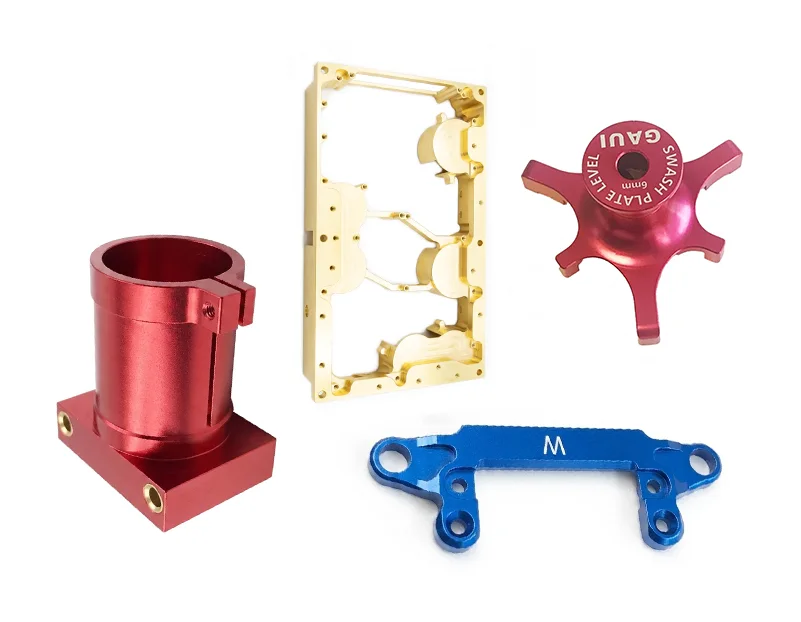
Standard Milling (3-Axis & 4-Axis)
A practical option for parts with features on one or multiple accessible faces, including plates, brackets, and selected housings. The appropriate setup and milling approach are reviewed based on geometry, tolerances, material, and production requirements.
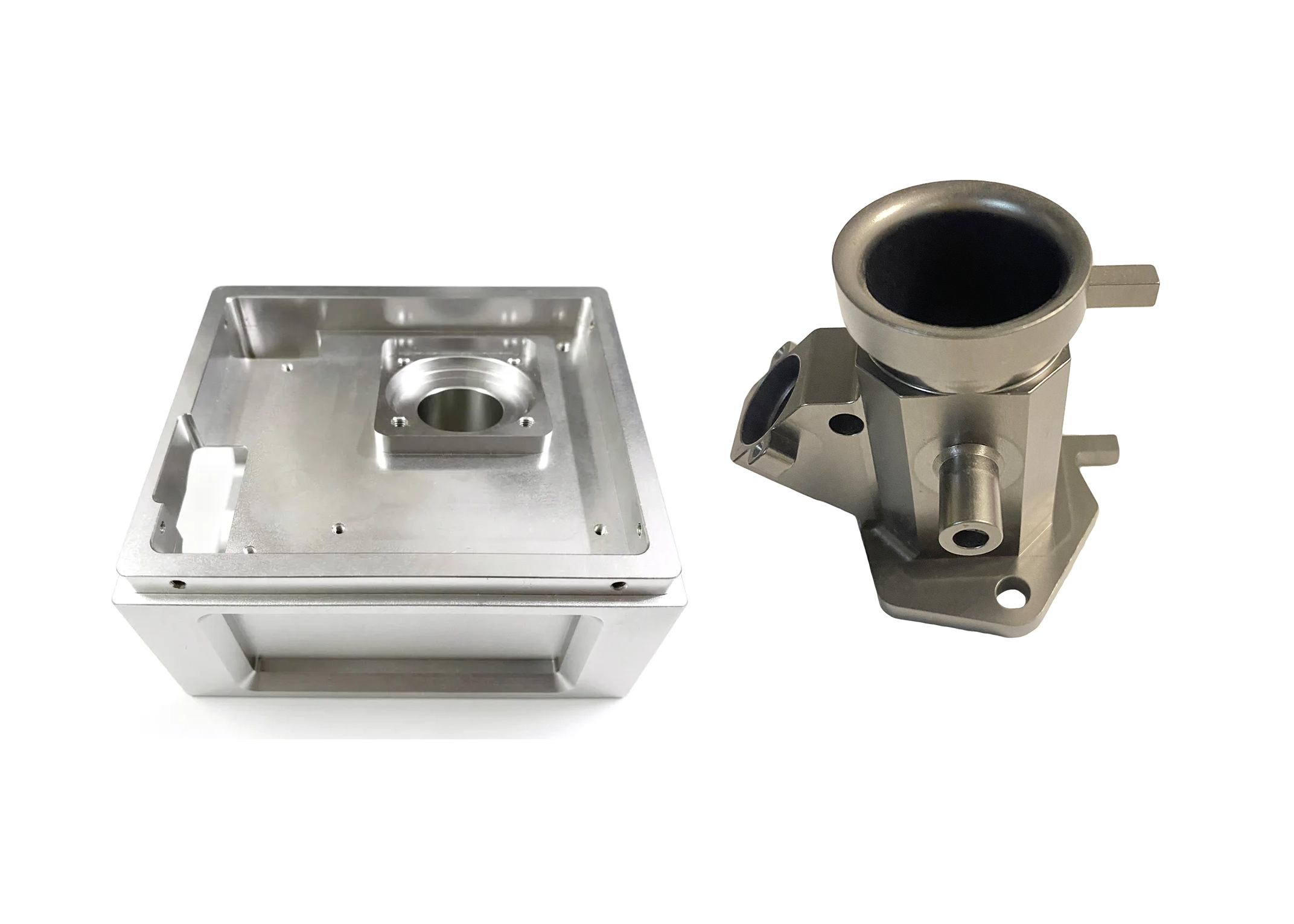
Complex Multi-Axis Milling (5-Axis)
Multi-axis milling can support parts with contoured surfaces, multiple features, and complex access requirements. Depending on part geometry and tolerances, this approach may reduce setups and support more efficient machining of selected components.
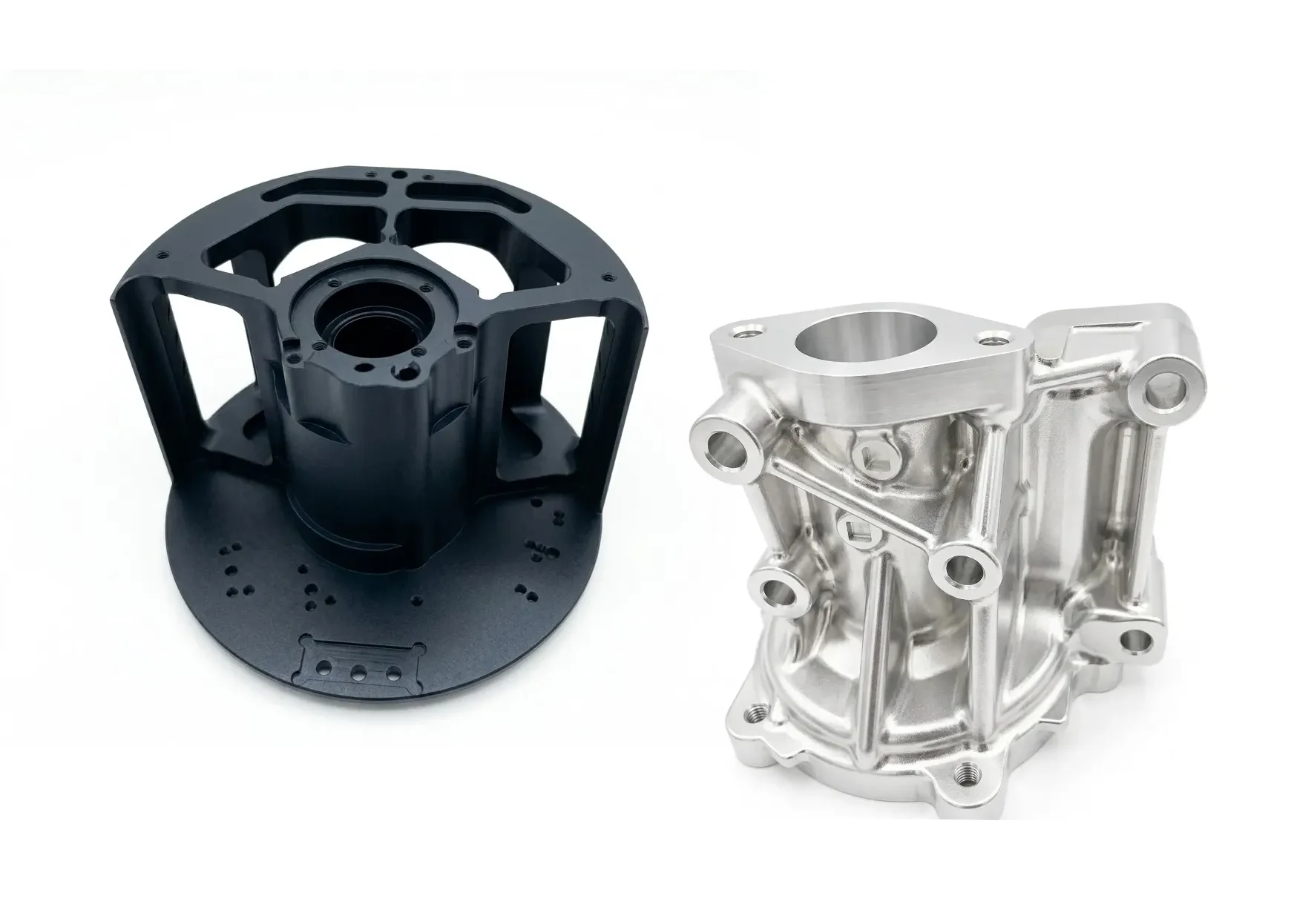
DFM & Quotation Review
Submit your CAD file and available drawings for quotation and manufacturability review. Depending on the project scope, we can discuss potential considerations for material selection, tolerances, features, machining approach, and documentation requirements.
Support a More Confident RFQ with Our Milling Capabilitie
These core capabilities help you assess process fit, clarify manufacturing requirements, and plan your project from prototype through production.
From Prototype to Production
Support prototype and low-volume orders, with the potential to transition to larger production runs as project requirements develop. Production planning is reviewed based on part geometry, materials, order volume, and available capacity.
Drawing-Based Manufacturing
Manufacturing is performed based on approved drawings, specifications, and agreed project requirements. Critical dimensions, tolerances, finishes, and inspection requirements are reviewed according to the part and applicable inspection plan.
Engineering Communication
Our team can support technical communication during quotation and production review. This helps clarify manufacturing questions, identify potential DFM considerations, and align requirements before production begins.
Materials, Finishes, & Documentation Support
Review material, finishing, documentation, and inspection options for your project. Availability and requirements are confirmed during quotation and engineering review.
Supported Materials
- Aluminum: Commonly requested grades may include 6061-T6, 7075-T6, and 5052, subject to material availability and part requirements.
- Stainless Steel: Options may include 303, 304, 316, and selected martensitic grades, depending on corrosion, strength, and machining requirements.
- Carbon & Alloy Steel: Grades such as 1018, 1045, and 4140 may be considered for general machining, shafts, and structural components.
- Copper & Brass: Available options can be reviewed for applications requiring conductivity, thermal performance, or specific appearance requirements.
- Engineering Plastics: Materials such as POM (Delrin®), Nylon, PEEK, and PTFE may be available based on application, geometry, and sourcing requirements.
Finishing & Surface Treatments
- Anodizing: Type II anodizing and Type III hardcoat options can be reviewed for aluminum parts, with color, coating thickness, and dimensional requirements specified in the RFQ.
- Passivation & Chemical Conversion: Passivation for applicable stainless-steel parts and chemical conversion coatings for applicable aluminum parts may be available based on the required specification.
- Plating: Zinc plating, electroless nickel, and other plating options can be reviewed according to corrosion-resistance, hardness, thickness, and dimensional requirements.
- Bead Blasting: Can be used to create a uniform matte surface appearance, subject to material, finish, and cosmetic requirements.
- Laser Marking: Part numbers, logos, and identification marks may be added where compatible with the material, finish, artwork, and location requirements.
Documentation & Inspection Support
Documentation and inspection options can be discussed during quotation. Please identify required records, standards, and inspection criteria in your RFQ or purchase order.
- Material Test Reports (MTRs): May be available for applicable materials and can include material grade, chemical composition, mechanical properties, and heat or lot information.
- Certificate of Conformance (CoC): May be provided when requested, based on the agreed order requirements and applicable documentation scope.
- First Article Inspection (FAI) Reports: May be available for initial production samples when required; report format, scope, and any AS9102 requirement should be specified in advance.
- Custom Inspection Reports: Dimensional or feature-specific inspection reports may be provided according to the agreed inspection plan and project requirements.
Our 4-Step Milling Quality Verification Process
This workflow shows how material, setup, dimensional inspection, and documentation requirements are aligned to the drawing and RFQ scope before shipment.
From Prototype to Production
Support prototype and low-volume orders, with production planning reviewed according to part requirements, materials, order volume, and available capacity.
Drawing-Based Manufacturing
Manufacturing is performed based on approved drawings, specifications, and agreed project requirements. Critical dimensions, tolerances, finishes, and inspection requirements are reviewed as applicable.
DFM and Technical Review
During quotation or engineering review, we can identify potential manufacturability considerations and discuss practical options for materials, tolerances, features, and production processes.
Engineering Communication
Our team can support technical communication throughout quotation and production review, helping clarify requirements and align expectations before manufacturing begins.
Representative CNC Milled Part Types
Use these examples to match your part’s geometry and application with our core milling capabilities, helping you clarify requirements for your RFQ.
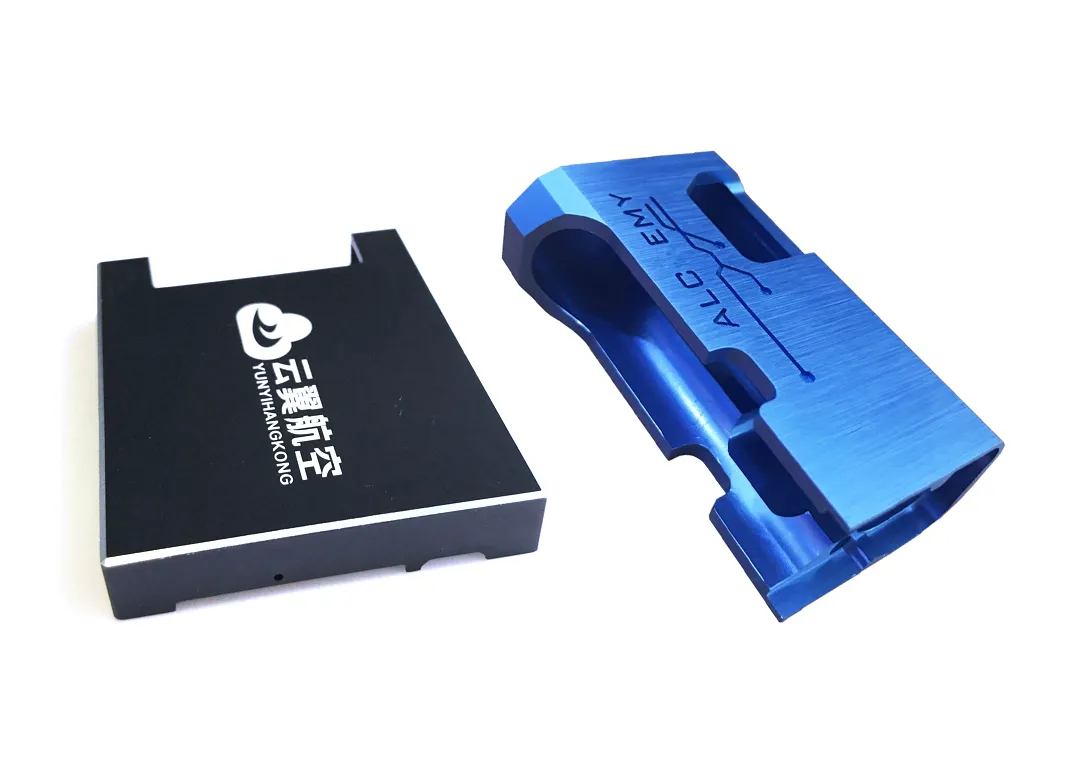
Precision Machined Housings & Enclosures
Engineered for durability and precision. We mill housings that provide robust protection and EMI shielding for sensitive electronics and industrial hardware, ensuring tight tolerances for seals, connectors, and assembly fit.
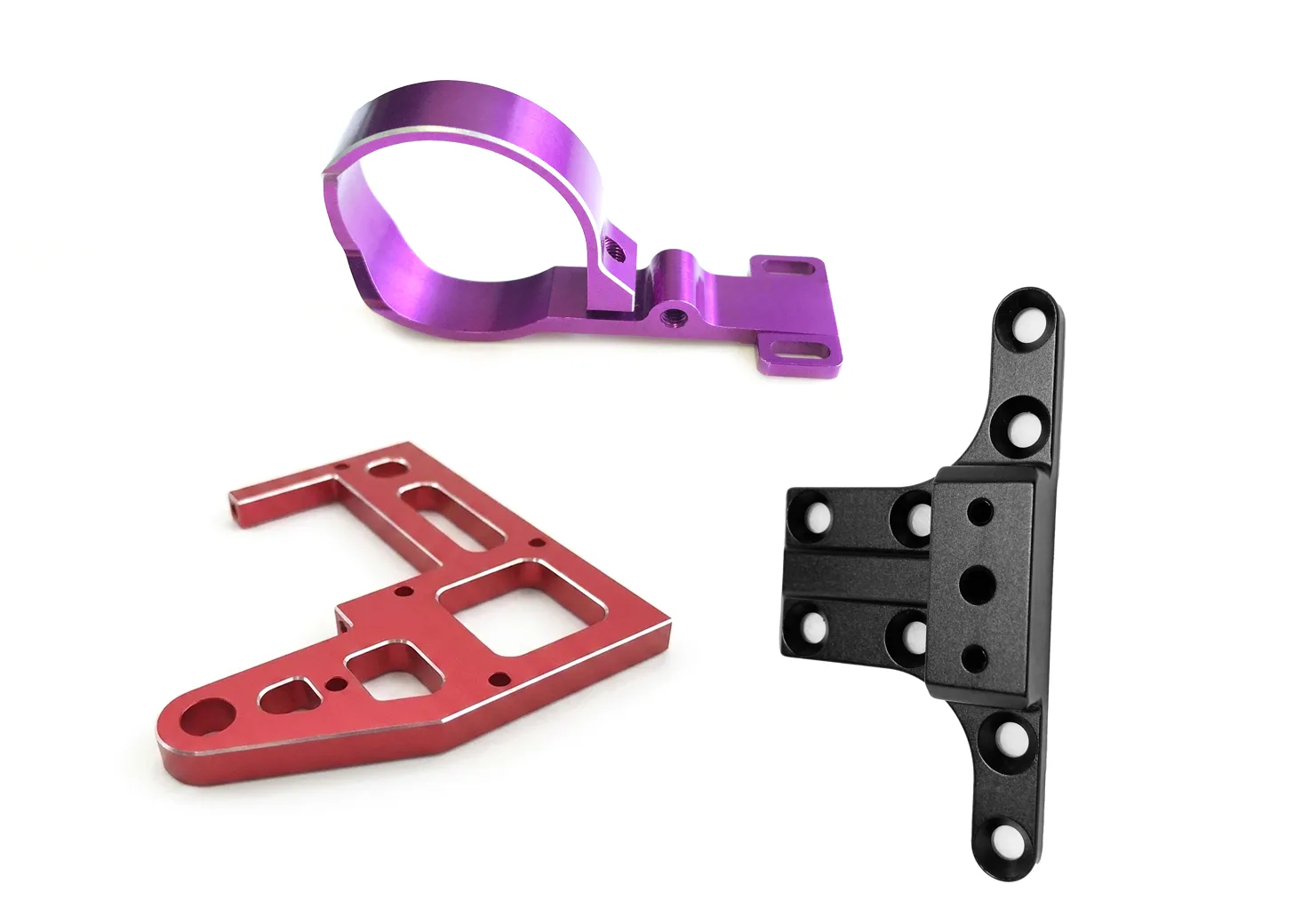
Structural Brackets & Mounting Plates
The foundation of reliable assemblies. We produce brackets and plates with superior flatness and true position on hole patterns, ensuring perfect alignment and stability for structural, optical, and mechanical systems.
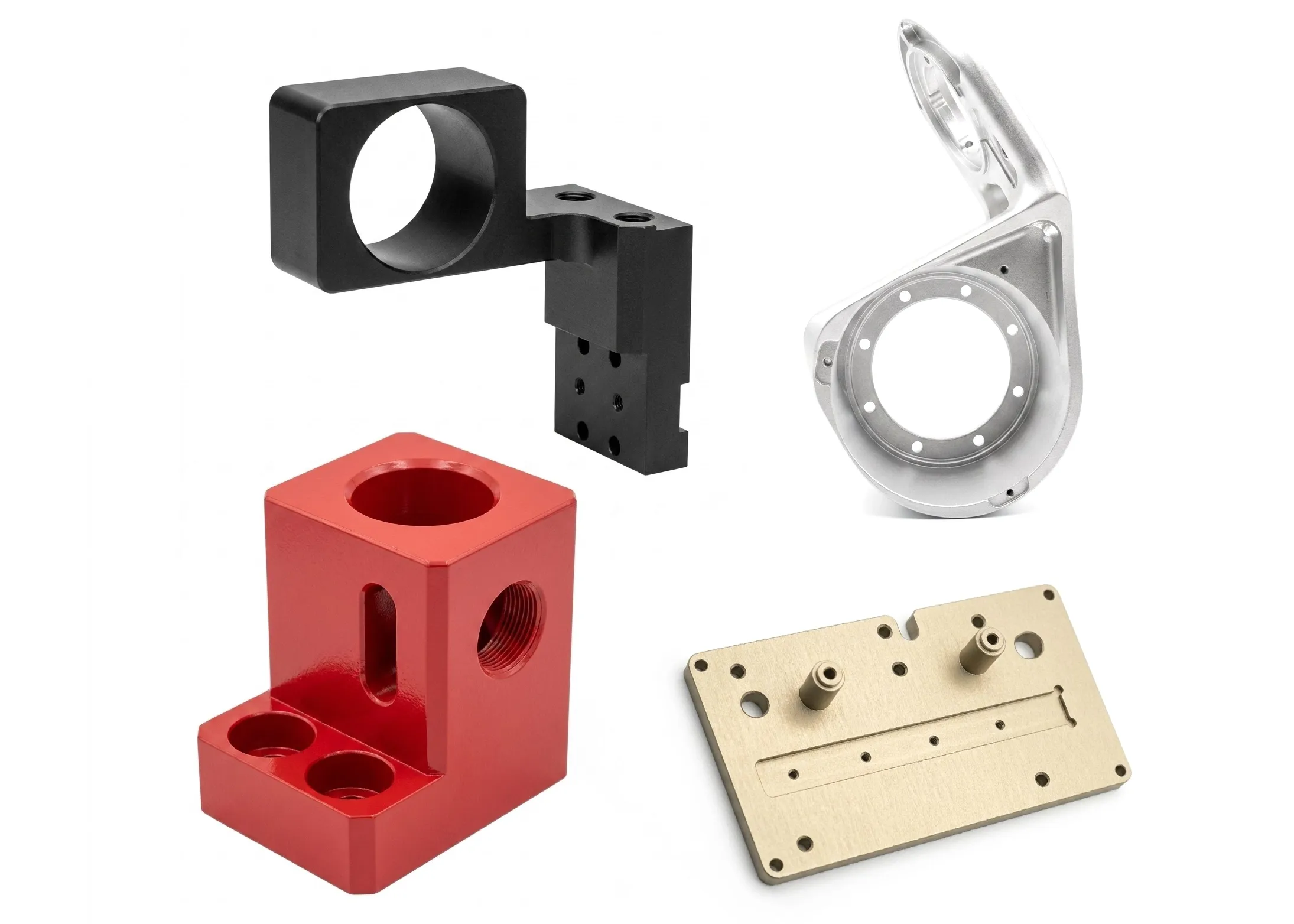
Complex Multi-Sided Components
Leveraging 5-axis milling to produce complex, multi-sided parts in a single setup. Ideal for manifolds, custom blocks, and intricate covers where reducing setups is key to controlling cost and achieving high-precision, coordinated features.
Questions Before Sending a CNC Milling RFQ
What are your lead times and minimum order quantities (MOQs)?
Typical lead times for prototype and small-batch orders are 5–10 business days, depending on part complexity, material availability, and capacity. We support low-volume and single-part orders where feasible; larger projects receive a project-specific schedule with the quote.
What information do you need for a quote?
Please provide a 3D CAD file (STEP or IGES), a 2D drawing with critical dimensions and tolerances, material, quantity, finish requirements, and any requested documentation. Complete information helps us provide a faster and more accurate quote.
What tolerances can you hold?
Achievable tolerances depend on part geometry, material, process, and feature requirements. Tolerances of ±0.05 mm (±0.002 in) may be achievable for many machined features; tighter requirements are reviewed during DFM.
Do you provide DFM feedback?
Yes. During quotation and engineering review, we can identify manufacturability concerns and recommend practical changes to support cost, quality, and production efficiency.
How do you manage quality and documentation?
Quality checks are performed throughout manufacturing as required by the project. CoCs, MTRs, inspection reports, and other documentation may be available when requested in the RFQ or purchase order.
How are IP and confidential files handled?
Customer drawings, CAD files, and project information are treated as confidential and used for quotation, engineering, and manufacturing purposes. We can review a mutually acceptable NDA when required.