
Surface Finishing for CNC Machined & Sheet Metal Parts
FIWOK offers surface finishing as part of CNC machining and sheet metal fabrication projects. Finishing options may include anodizing, plating, powder coating, passivation, and mechanical surface preparation, depending on the part material, geometry, finish specification, and confirmed project scope.
Finish Planning for Manufactured Parts
Surface finishing is reviewed as part of CNC machining and sheet metal fabrication projects. Material, finish specification, visible surfaces, masking areas, dimensional considerations, and packaging requirements can be evaluated according to the drawing and confirmed project scope.
Material and Finish Compatibility
Finish options can be reviewed against the specified material, part geometry, intended application, and applicable finish requirements.
Masking and Critical Features
Identify threads, sealing faces, contact areas, bearing fits, and other features requiring masking or dimensional consideration.
Documentation Requirements
Certificates, thickness records, inspection reports, and other documentation can be included when specified in the RFQ and confirmed project scope.
Representative Surface Finish Examples
These examples show surface finishes that may be available as part of FIWOK CNC machining and sheet metal fabrication projects. Final appearance can vary based on material, part geometry, surface preparation, finish specification, visible surfaces, and lighting conditions.
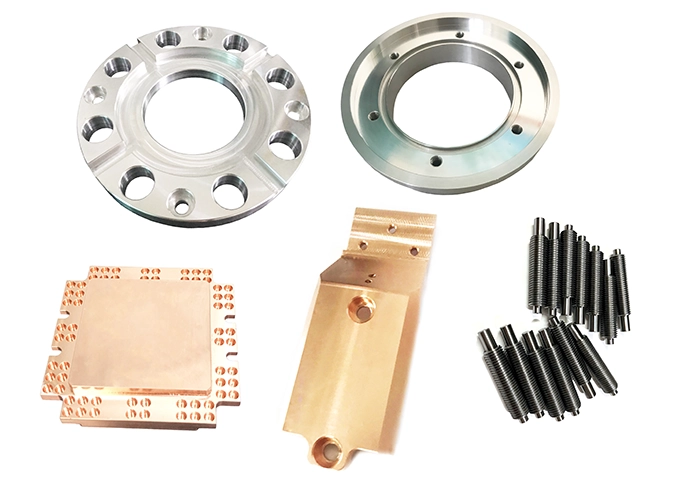
As Machined
A machined surface with visible tool marks, often selected for functional, internal, prototype, or cost-sensitive parts.
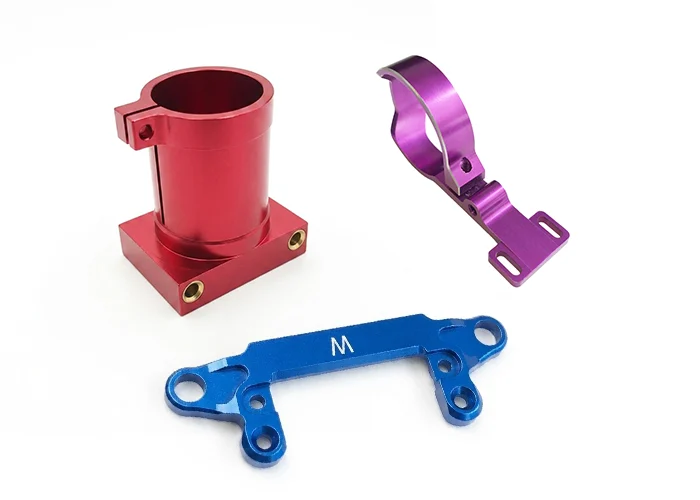
Anodizing
Anodizing options for compatible aluminum parts, specified by finish type, color, visible surfaces, and applicable project requirements.
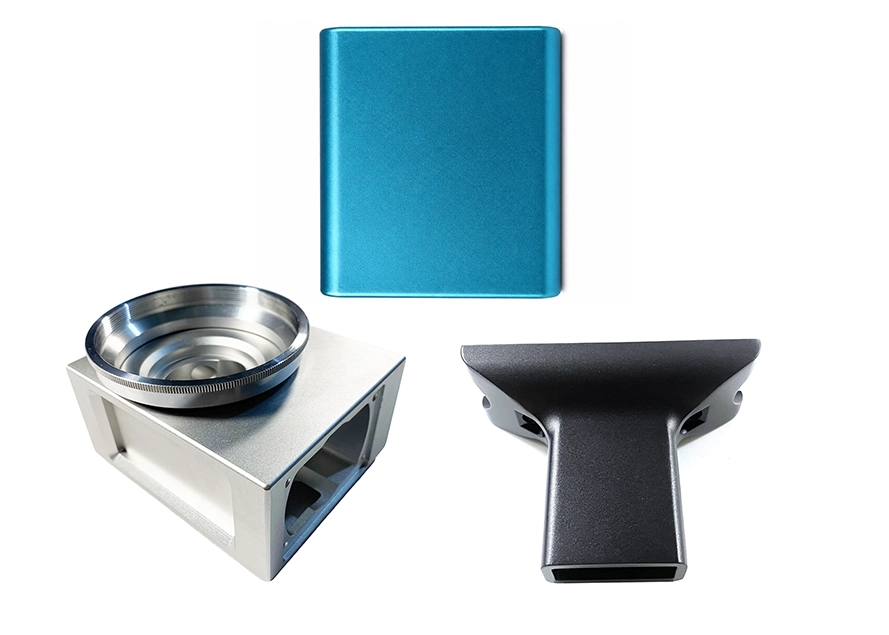
Bead Blasting
A matte surface preparation option for suitable parts, used before a subsequent finish or when a specified non-reflective texture is required.
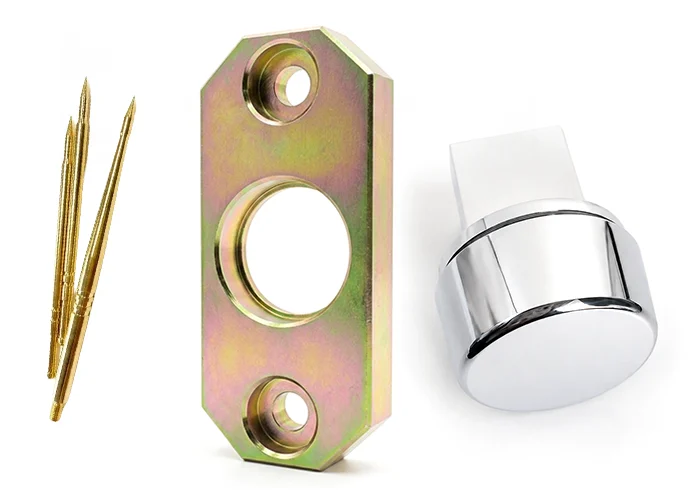
Plating
Specified plating options for compatible materials and applications, reviewed according to finish standard, thickness, and functional areas.
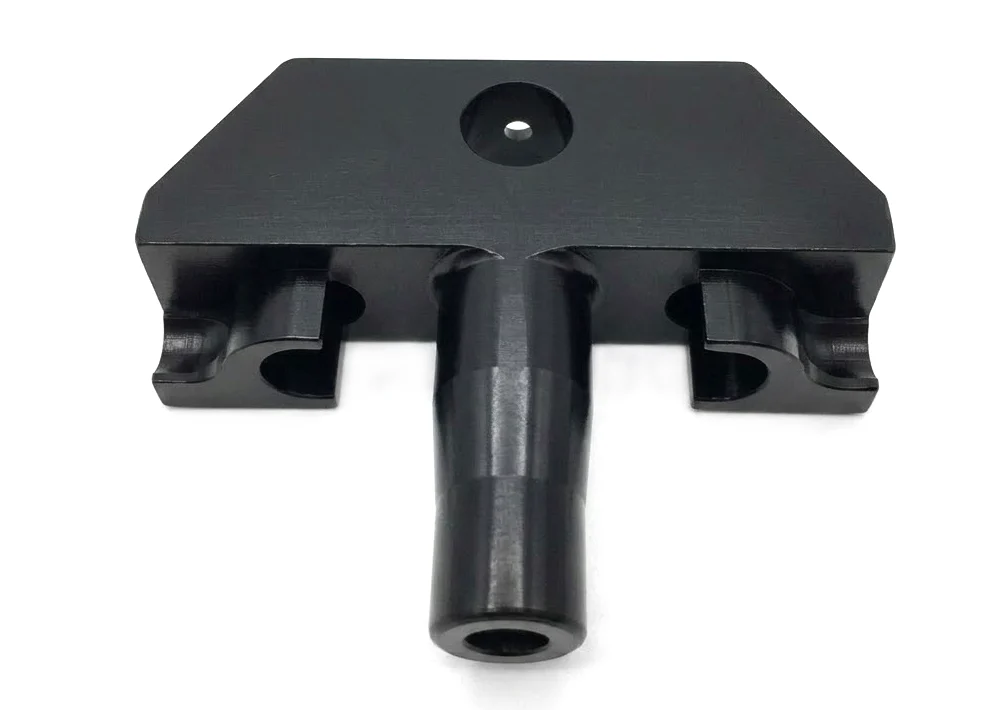
Black Oxide
A conversion-finish option for suitable steel parts where low coating buildup and a dark surface appearance are specified.
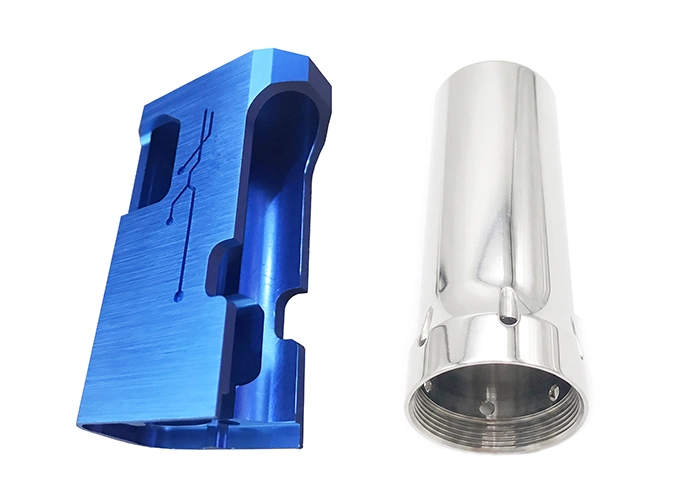
Polishing and Brushing
Mechanical polishing, brushing, or directional graining for selected cosmetic or functional surface requirements.
How to Choose a Surface Finish
Surface finishing is available as part of FIWOK CNC machining and sheet metal fabrication projects. Suitable options can be reviewed according to material, intended application, appearance requirements, dimensional considerations, functional needs, and confirmed project scope.
| Primary Requirement | Finish Options to Discuss | Review Focus |
|---|---|---|
| Aluminum appearance or specified color | Anodizing or powder coating | Color, gloss, visible surfaces, and masking areas |
| Aluminum wear-related requirements | Specified anodizing option | Finish type, dimensional effects, sealing, and mating surfaces |
| Steel surface protection requirements | Zinc plating, powder coating, painting, or black oxide | Material, intended environment, thickness, threads, and packing |
| Matte or textured appearance | Bead blasting or specified mechanical preparation | Base material, texture requirement, visible surfaces, and acceptance criteria |
| Nickel-plated functional surfaces | Electroless nickel or other specified plating | Finish standard, thickness, hardness, and functional contact areas |
| Internal, prototype, or non-cosmetic parts | As machined or mechanical deburring | Burr requirements, visible surfaces, edges, and handling needs |
Materials and Surface Finish Options
Surface finishing options can be reviewed as part of CNC machining and sheet metal fabrication projects. The appropriate process depends on the specified material, part geometry, intended application, finish requirements, and confirmed project scope.
| Base Material | Finish Options to Discuss | Review Focus |
|---|---|---|
| Aluminum | Anodizing, conversion coating, bead blasting, or powder coating | Alloy, finish type, color, masking, dimensional effects, and visible surfaces |
| Stainless Steel | Passivation, brushing, bead blasting, polishing, or specified electropolishing | Material grade, surface requirement, visible areas, and documentation needs |
| Carbon Steel | Zinc plating, powder coating, painting, or black oxide | Material, intended environment, threads, coating areas, and packing requirements |
| Brass and Copper | Polishing, specified plating, or other compatible surface treatment | Material condition, functional contact areas, appearance requirements, and handling needs |
| Titanium | Blasting, polishing, or specified anodizing | Material grade, part application, appearance requirements, and designated surfaces |
| Engineering Plastics | Deburring, sanding, polishing, or laser marking where suitable | Polymer type, geometry, heat sensitivity, finish requirement, and marking location |
Preparation, Hardware, and Part Identification
Selected preparation, hardware, marking, and masking operations may be coordinated as part of FIWOK-manufactured CNC machining and sheet metal projects. Requirements are reviewed according to the drawing, selected finish, and confirmed project scope.
Deburring and Surface Preparation
Deburring, sanding, brushing, or bead blasting can be considered based on the specified finish and part requirements.
Hardware Installation
Specified nuts, studs, standoffs, and related hardware may be installed according to the drawing and assembly requirements.
Marking and Identification
Laser marking, printed markings, part numbers, logos, and other identification can be included when specified.
Masking and Feature Protection
Masking areas may be identified for threads, sealing faces, contact points, and other designated part features.
Finishing Verification and Documentation
Verification and documentation requirements can be reviewed as part of FIWOK-manufactured CNC machining and sheet metal projects. The applicable approach depends on the specified finish, critical features, acceptance requirements, and confirmed project scope.
Pre-Finishing Review
Material, critical dimensions, threads, surface condition, masking areas, and specified finish requirements can be reviewed.
Specified Feature Checks
Coating or plating thickness and other defined features may be checked when included in the project requirements.
Appearance Review
Visible surfaces, color references, texture, and other defined cosmetic requirements can be considered where applicable.
Documentation Options
Certificates, thickness records, inspection reports, and other documentation may be included when specified and confirmed.
Surface Finishing FAQ
Review common questions about surface finishing options for FIWOK-manufactured CNC machined and sheet metal parts.
How are finish effects considered on critical features?
Please identify tight-tolerance features, threads, sealing faces, and functional contact areas in the drawing. Masking and dimensional considerations can be reviewed according to the specified finish and project requirements.
Can specified powder-coating or paint colors be included?
Color requirements can be reviewed when a recognized color reference, finish specification, or approved sample is provided. Include gloss, texture, visible surfaces, and cosmetic requirements in the RFQ.
What documentation can be included?
Certificates, thickness records, finish information, and inspection records may be included when requested in the RFQ and confirmed within the project scope.
Are all finishing operations completed in-house?
Selected preparation and hardware operations may be completed within the manufacturing workflow. Other finishing processes may be coordinated according to the required finish and confirmed project scope.
Can finished parts be packed for surface protection?
Packing requirements can be reviewed based on part geometry, finish sensitivity, quantity, handling needs, and shipment arrangements. Protective separators, wrapping, trays, or other methods may be specified.
Do you offer standalone finishing for customer-supplied parts?
Surface finishing is available as part of FIWOK-manufactured CNC machining and sheet metal fabrication projects. We do not offer standalone finishing for customer-supplied parts.
Manufacturing Services With Finishing Options
Surface finishing is available as part of FIWOK-manufactured CNC machining and sheet metal fabrication projects. Explore the manufacturing services that can be reviewed with your material, finish, dimensional, hardware, and packaging requirements.
Include Finishing Requirements With Your Part RFQ
Surface finishing is available as part of FIWOK-manufactured CNC machining and sheet metal fabrication projects. Send your drawing, material, quantity, and finish requirements so the manufacturing and finishing scope can be reviewed together.
Send RFQ to: sales@fiwokmachining.com
Recommended RFQ Information
- Part Drawings: Current 2D drawings and 3D files, when available, including critical dimensions and specified surfaces.
- Material and Finish: Material grade, finish type, color, gloss, texture, applicable standard, and masking requirements.
- Quantity: Required quantity and expected future volume, if known.
- Verification Requirements: Requested certificates, thickness records, inspection points, or other documentation.
- Packing Requirements: Surface protection, labels, packing configuration, and delivery requirements when applicable.